
When used intentionally, these low-cost upgrades quickly pay for themselves and then continue saving you money long after the initial investment.
Technology often gets a bad reputation for being expensive, but not all devices drain your wallet. In fact, some affordable tech that saves money can meaningfully cut monthly bills, reduce waste, streamline tasks, and help you avoid unnecessary purchases. The key is choosing tech that supports practical, everyday savings.
Smart Plugs and Energy Monitors That Reduce Utility Costs
Smart plugs are one of the simplest, most affordable pieces of technology that can lower your electric bill. For around $10–$15 each, these small devices let you control the power flow to lamps, appliances, humidifiers, fans, or electronics. Many households unknowingly lose money through “phantom load,” in which devices continue to draw electricity even when turned off. Smart plugs eliminate that waste by automatically shutting off devices when not in use.
Energy monitors serve a similar purpose. These small devices plug into an outlet and track exactly how much energy a single appliance uses. By identifying the biggest energy hogs, such as older refrigerators, space heaters, or entertainment systems, you can make smarter decisions about when to run them or whether to replace them. Both tools offer immediate insight into your energy use, helping you lower monthly bills without sacrificing comfort.
Some smart plugs can also run on schedules, turning lights on or off while you’re away. This not only saves energy but also increases home security without requiring an expensive system.
Consider Tiny Tweaks That Cut Utility Bills Without Feeling the Difference to reduce energy waste.
Budget-Friendly Kitchen Tech That Cuts Food Waste
Several low-cost kitchen tools significantly impact grocery spending. A compact food scale, usually priced at $10–$15, helps you portion ingredients accurately, avoiding overcooking and overspending on meals. It also ensures leftovers are stored in usable portions instead of being tossed out.
Vacuum-seal handheld tools or budget-friendly food savers prevent produce, meats, and leftovers from spoiling too quickly. These devices keep air out of bags or containers, extending the life of food by days or even weeks. Over time, the waste reduction more than pays for the device.
Even a simple clip-on fridge thermometer, usually under $10, helps ensure your refrigerator stays in the optimal temperature range. Keeping food cold enough reduces spoilage, while avoiding excessive cooling keeps your energy bill in check.
When minor tech upgrades help you make better use of what you already buy, groceries stretch further, and food waste drops dramatically.
Explore How to Build a ‘Use-First’ Kitchen That Stops Food Waste Cold to make leftovers visible and usable.
Affordable Apps and Digital Tools That Improve Daily Spending
Not all money-saving tech is physical. Budget-friendly apps play a significant role in helping households reduce costs. Grocery rebate apps, price comparison tools, and coupon extensions automatically find deals you might otherwise miss. Many of these tools are free and work quietly in the background, offering cash back or discounts without any extra effort.
Navigation apps that show the cheapest nearby gas stations help cut fuel costs weekly. Libraries now offer digital media apps where you can borrow audiobooks, e-books, magazines, and movies for free, while replacing multiple paid subscriptions. Prescription discount apps can lower medication costs, often by more than insurance copays.
These tools align with your natural spending habits and save money without requiring significant lifestyle changes.
Try The 15-Minute Audit: A Simple Routine That Saves Most Households $50–$100 a Month to uncover fast savings.
Low-Cost Smart Home Devices That Pay for Themselves
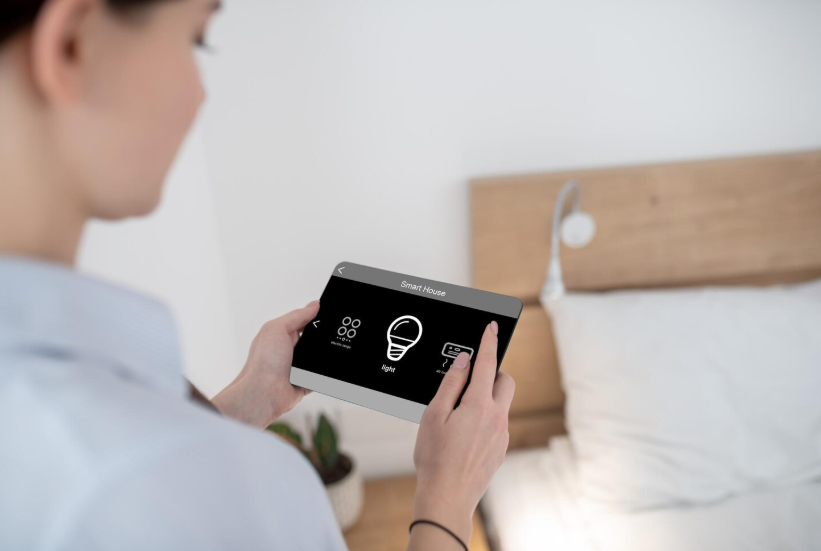
Certain smart home products offer outsized savings despite their small price tags. Under-$20 LED smart bulbs, for example, use far less electricity and last significantly longer than traditional bulbs. Their dimming features allow you to use less light without sacrificing brightness when you need it.
Water-saving smart shower timers and faucet attachments help track usage and reduce overconsumption. Even simple leak detectors, placed under sinks or near appliances, can prevent expensive water damage, catching leaks before they become emergencies.
Door and window sensors, often included in low-cost home security kits, help prevent heat loss by notifying you if something is left ajar. By reducing wasted heating and cooling, these devices lower utility costs and make your home more energy-efficient.
For low-effort upgrades, check How to Make Your Home More Energy-Efficient in One Afternoon.
Prioritize Tech That Solves a Problem, Not Creates One
The smartest tech purchases share one trait: they reduce ongoing expenses. They help you waste less, use less, or replace paid services with free alternatives. By integrating these small, affordable devices into your routine, you build a home environment that works efficiently behind the scenes.
Instead of tech that encourages more consumption, choose the tools that help you spend less while improving your daily life. Over time, these small upgrades compound, creating meaningful monthly savings with minimal effort.