Utility bills often creep up quietly, and most households assume the only way to save is through uncomfortable sacrifices, such as cold showers, dark rooms, or constantly unplugging everything. But the truth is that minor, painless adjustments can meaningfully reduce electric, water, and gas costs without disrupting your daily comfort. These tweaks show you how to lower utility bills easily by targeting inefficiencies, not lifestyle.
Over time, these subtle upgrades create measurable monthly savings while keeping your home just as cozy and functional as before.
Quick Heating and Cooling Adjustments
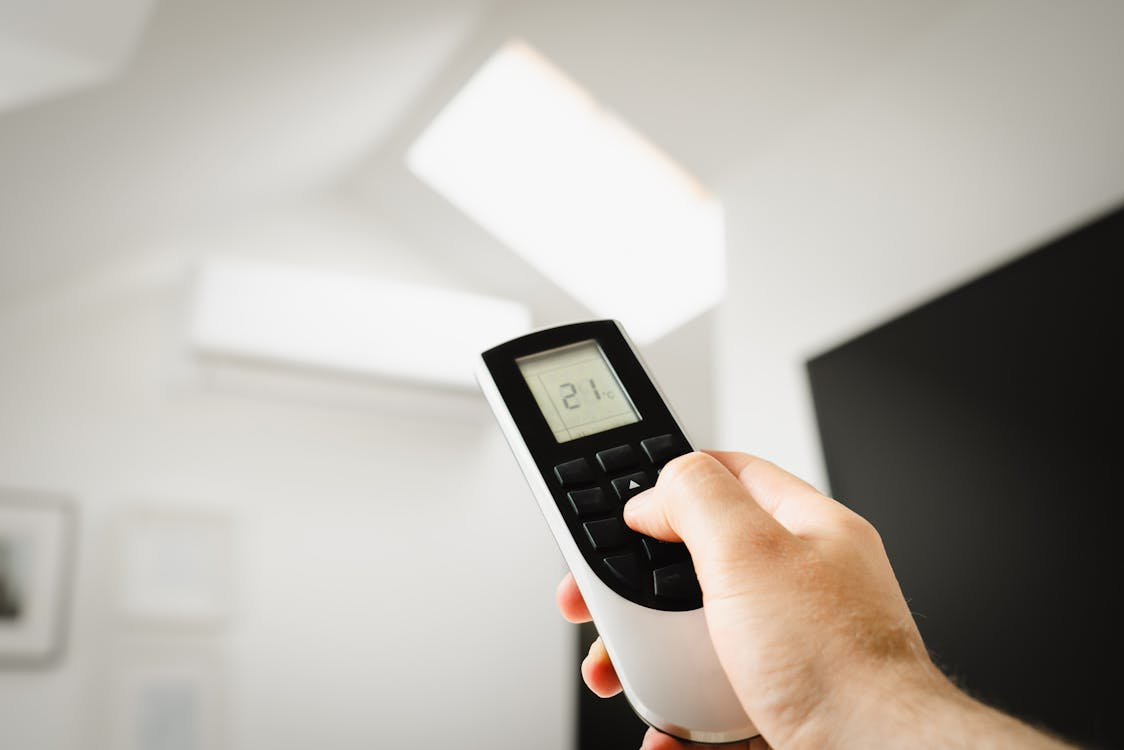
Heating and cooling typically account for the most significant portion of a household’s utility bill, but small changes can reduce usage without affecting comfort. Start by adjusting your thermostat by 1 or 2 degrees. Most people don’t feel the difference physically, but the energy savings add up quickly. In winter, lowering the thermostat slightly when sleeping or away from home saves gas or electricity with zero inconvenience. In summer, bumping the temperature up somewhat during those same hours significantly reduces air-conditioning costs.
Ceiling fans are another quiet helper. They allow you to feel cooler at the same temperature, meaning you can set the thermostat higher without discomfort. Make sure fans rotate counterclockwise in warm weather and clockwise in cooler months to circulate air efficiently. These tiny adjustments cost nothing but can easily trim a few dollars off each month’s bill.
See How to Make Your Home More Energy-Efficient in One Afternoon for more practical tweaks and tips.
Smarter Lighting and Power Habits
Lighting used to be a significant energy expense, but LED bulbs have dramatically shifted the equation. Yet many homes still use older bulbs or overlook lighting inefficiencies. Switching every frequently used bulb to LED versions is one of the fastest ways to reduce electric bills. They use up to 75% less energy and last far longer, reducing replacement costs as well.
You can also reconsider how lighting is used throughout the home. Dimmers, motion sensors in hallways, or soft task lighting in workspaces reduce excess energy use without changing the way you live. Smart power strips help by cutting off power to devices that continue drawing electricity even when turned off.” These easy upgrades require no behavioral changes, yet they prevent slow, unnecessary draining of energy month after month.
For more low-effort improvements, explore Budget-Friendly Home Upgrades That Look More Expensive Than They Are.
Minor Water Tweaks That Make a Big Difference
Water costs feel unavoidable, but many of the most wasteful habits happen without anyone noticing. Installing low-flow aerators on sinks is a nearly invisible upgrade that reduces water use while maintaining firm pressure. In the shower, a high-efficiency showerhead can create the same luxurious feel while using significantly less water.
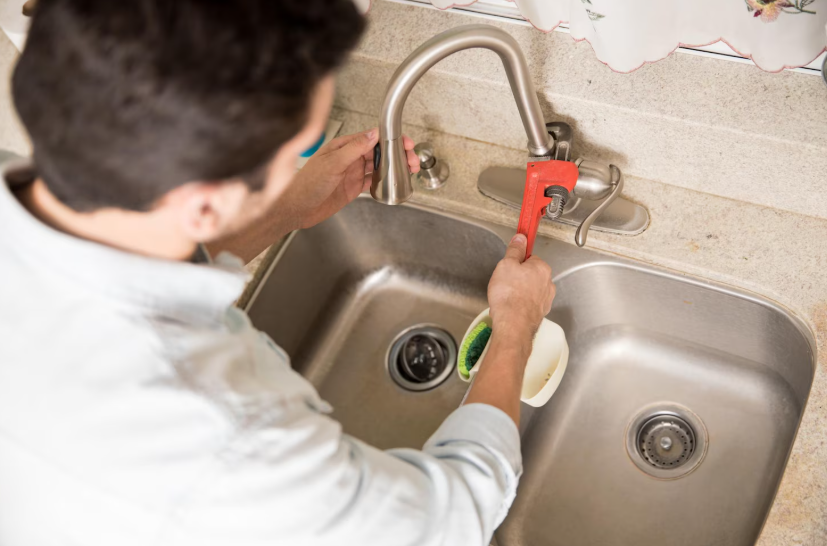
Fixing small leaks is another high-impact tweak. A slow-dripping faucet or toilet that runs intermittently may seem trivial, but over a month, it can waste dozens or even hundreds of gallons. Catching these early, even during a quick weekly home check, saves water without changing anything about your routine or comfort. These fixes are simple, cost-effective, and prevent gradual increases in both water and energy bills.
Check out Organizing Systems That Save You Both Time and Money for a long-term efficiency set-up.
Appliances and Everyday Habits You Won’t Notice
Large appliances don’t need elaborate upgrades to run efficiently. Setting your washing machine to cold water for most loads cleans clothes just as well while significantly reducing energy use. Running full dishwasher loads instead of half-loads cuts both water and electricity costs, and most modern dishwashers use less water than handwashing anyway.
Your refrigerator also benefits from a couple of nearly invisible tweaks. Keeping it 75% complete helps maintain temperature more efficiently. Cleaning the coils twice a year helps prevent overwork, which extends their life and reduces energy draw. Even small habits, such as letting leftovers cool before refrigeration, help your appliance run more efficiently without changing your routine.
For quick fixes that prevent costly repairs, don’t miss Small Repairs You Can Learn to Avoid Big Service Calls.
Building Better Systems Without Sacrifice
The best part about tiny utility tweaks is how seamlessly they fit into everyday life. None of these adjustments requires discomfort, strict rules, or ongoing effort. Instead, they streamline your home’s systems so they automatically use less energy and water. Over time, these small energy savings at home efforts add up to surprisingly meaningful savings, often $15–$40 a month, with no noticeable change to how you live.
Once these habits and upgrades are in place, your home runs more efficiently in the background. It’s easy savings that doesn’t ask you to give anything up, proving that smart adjustments, not sacrifices, deliver the most sustainable results.