
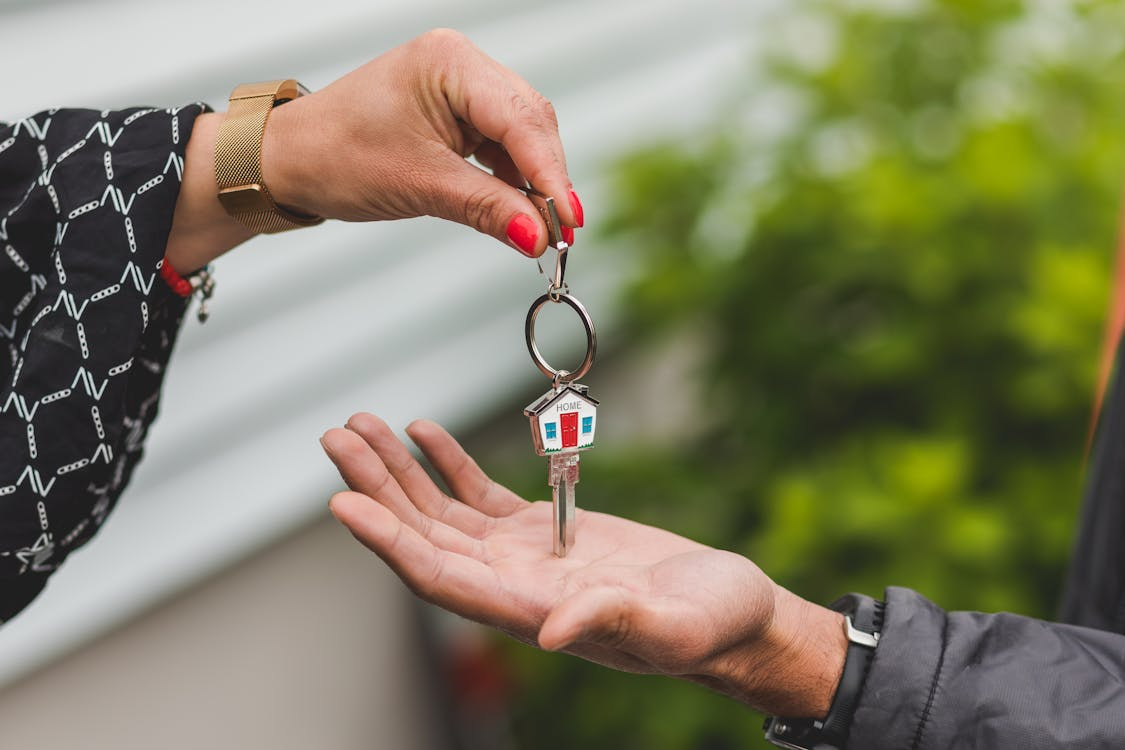
Renting can be the wiser financial move in some situations, while buying makes more sense in others. The key is understanding how the numbers and the lifestyle factors work together when weighing renting vs buying in 2026.
The debate between renting and buying is louder than ever, especially as housing costs continue to shift unpredictably. But most advice you find online treats everyone the same: ignoring lifestyle needs, budget realities, and personal preferences. The truth is that there’s no one-size-fits-all answer.
Start by Comparing Real Monthly Costs, Not Sticker Prices
Many assume buying is always cheaper in the long term, but 2026’s market requires a closer look. Mortgage payments are only part of the picture. Homeownership also includes:
- Property taxes
- Home insurance
- HOA fees (where applicable)
- Maintenance and repairs
- Emergency costs
These extras often add hundreds of dollars to the “monthly payment,” making buying more expensive than it appears.
Renting, on the other hand, usually includes fewer hidden costs. Renters don’t pay property taxes, cover major repairs, or worry about replacing appliances. In many cases, insurance is significantly cheaper. When comparing renting versus buying, calculate the total monthly cost of ownership, not just the mortgage.
Conversely, if rent in your area rises faster than home prices, buying may stabilize your monthly housing expenses. The long-term predictability of a fixed mortgage can be especially valuable if rental competition is high in your city.
Explore How to Choose Insurance Plans Without Over-Insuring Yourself to avoid costs that inflate homeownership.
Consider How Long You Plan to Stay in One Place
A key question in 2026: How long will you stay in the home? Buying is typically better if you’ll remain there for at least 5 to 7 years. This time frame allows you to recover closing costs, build equity, and avoid taking a financial hit if you need to move suddenly.
Renting is the smarter option if:
- You expect a job change.
- You’re planning a relocation.
- You’re unsure about the area.
- Your household may change soon (relationship, children, downsizing).
Flexibility has value, especially when life is uncertain. A short-term rental gives you room to make decisions without being locked into a mortgage or market fluctuations.
To boost savings faster if buying, explore Side Hustles Worth Starting Now (and Which Ones Aren’t Worth It).
Lifestyle Matters as Much as Money
Housing isn’t just a financial choice; it’s a lifestyle one. Buying a home means taking on maintenance, repairs, yardwork, and long-term care of the property. Some people enjoy this responsibility; others feel overwhelmed by it.
Ask yourself:
- Do I want the freedom to call a landlord when something breaks?
- Do I want complete control over painting, renovating, and customizing my home?
- Do I prefer mobility or stability?
- Does homeownership fit my daily routine, or does it complicate it?
Renting offers convenience, minimal responsibilities, and the ability to move easily. Buying offers control, permanence, and the emotional satisfaction of ownership.
Neither is “better.” Each serves different needs.
Learn Payoff Paths: Which Debt Should You Attack First? to lower your debt before applying for a mortgage.
Evaluate Your Financial Readiness Beyond the Down Payment
In 2026, lenders and financial experts suggest looking beyond the standard “save 20% for a down payment” advice. Your actual readiness depends on:
- Emergency savings (3–6 months minimum, ideally more)
- Debt levels and monthly obligations
- Job stability
- Ability to handle home repairs without stress
- Credit score (affects your interest rate dramatically)
If buying stretches your budget too thin, leaving little for savings, emergencies, or enjoyment, it may not be the right move yet. Renting while you build financial stability can put you in a stronger position when the right opportunity appears.
On the other hand, if you have a solid emergency fund, stable income, and manageable debt, buying could help you build long-term wealth.
To plan housing costs properly, don’t miss How to Save for a Big Purchase Without Falling Off Track.
Think in Terms of Tradeoffs, Not “Right vs. Wrong”
The best choice depends on what matters most to you. There will always be tradeoffs:
Renting
- + Flexibility
- + Lower responsibility
- + Predictable costs
- – No equity
- – Rent increases
Buying
- + Equity and investment potential
- + Stability
- + Freedom to personalize
- – Higher upfront costs
- – Maintenance responsibilities
The wisest move is the one that matches your goals, timeline, and comfort level.
A clear-headed decision in 2026 acknowledges the market, your budget, and your lifestyle, not generic advice. When your choice aligns with your reality, you’ll feel confident knowing you made the right call for your life.