
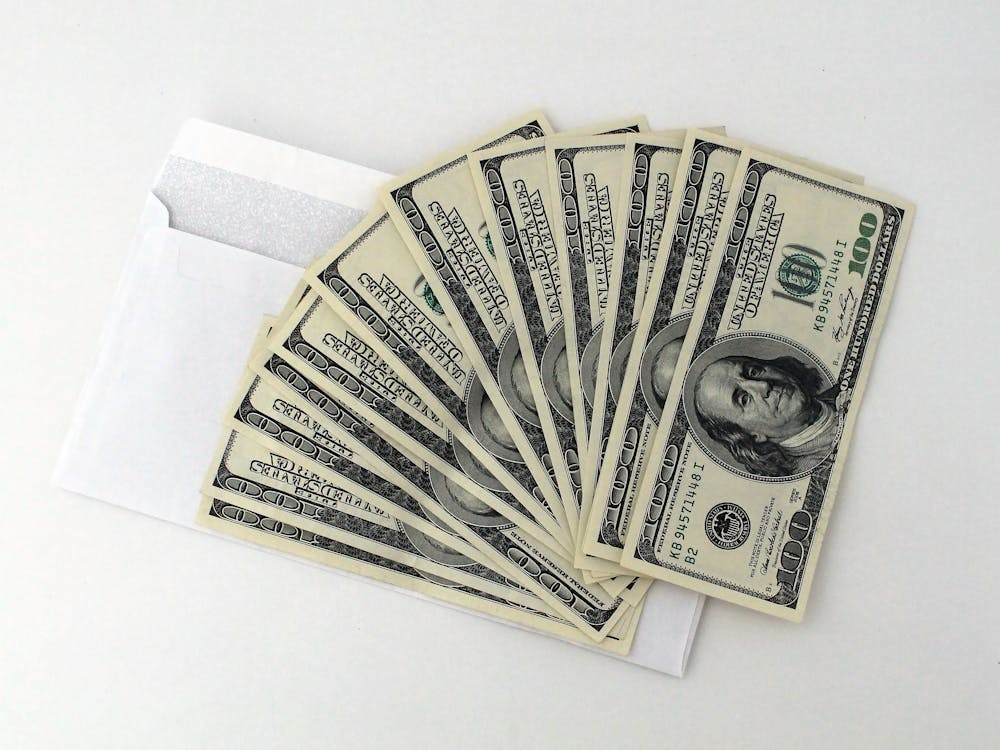
Building a $1,000 emergency fund is one of the most important steps toward financial stability.
Saving that first $1,000 can feel intimidating, especially if traditional budgeting hasn’t worked for you. But when you learn how to save your first $1,000 emergency fund using behavioral science, the process becomes easier, more motivating, and far more sustainable. It shields you from unexpected expenses, such as car repairs, medical bills, or home fixes, without relying on credit cards or loans.
Start Small to Build Fast Momentum
Many people fail to save because they set goals that feel too big. Behavioral research shows that your brain responds best to achievable, immediate wins, small steps that deliver quick satisfaction. So instead of aiming for $1,000 upfront, break the goal into tiny milestones.
Set a target of $25, $50, or $100 as your first step. When you hit it, celebrate the progress. This creates a dopamine boost that reinforces the habit, making you more likely to continue. The next milestone feels more achievable because you’ve already succeeded once.
Automating transfers also strengthens this momentum. Even a small automated transfer, such as $10 or $20 a week, adds up more quickly than you expect, and the consistency matters more than the initial size. Once the habit sticks, you can increase the amount with little effort.
Check out Meal Prep Lite: Saving Money Without the Sunday Marathon for weekly habits that free up extra cash
Use “Found Money” to Accelerate Savings Painlessly
Behavioral science tells us that people save more when the money doesn’t feel like part of their regular income. This is known as “mental accounting.” When you treat certain funds as separate from your everyday money, it’s psychologically easier to save them.
Channel these sources directly into your emergency fund:
- Cash-back rewards
- Tax refunds
- Work bonuses
- Rebates or refunds
- Selling unused items
- Returning impulse purchases
These irregular income boosts fast-track your savings without making your budget feel squeezed. Even $20 here and $40 there add up rapidly, especially when you’re building your first emergency cushion.
Selling unused items, such as clothes, tools, electronics, and furniture, can generate instant savings while decluttering your home. It’s one of the fastest, most motivating ways to grow an emergency fund.
To redirect unnecessary spending, explore The 24-Hour Cart Trick That Saves Online Shoppers $100s.
Make Saving the Default, Not the Decision
Your brain gets tired of making decisions, especially financial ones. The more choices required, the harder it becomes to stay consistent. This is why automating your savings is so effective: it removes the daily decision-making and builds the fund in the background.
Set up a recurring deposit into a separate savings account, preferably one not linked to your spending account. When money moves automatically, you never feel the loss. You only see the progress.
For even better results, pair automation with “friction,” a small barrier that prevents easy withdrawals. For example, keep the emergency fund at a different bank or use an account without a debit card. Behavioral studies show that when accessing money requires extra steps, we’re far less likely to spend it impulsively.
See Subscription Cleanup: How to Cancel $500 a Year Without Losing What You Love to eliminate budget drains.
Stack Small Habits That Compound Over Time
Tiny, sustainable habits are the backbone of long-term financial success. Choose 2–3 small behaviors you can repeat each week to generate consistent savings:
- Use the 5-minute rule before buying anything discretionary.
- Adopt one or two no-spend days per week.
- Move leftover cash from your checking account every Friday.
- • Cook one “cost-free” meal per week using only pantry items.
These micro-habits reduce overspending and free up cash without requiring strict budgeting. The saved money funnels directly into your emergency fund, bringing you closer to your goal with minimal stress.
Tracking your progress visually, such as on a chart, in a note app, or a simple thermometer graphic, boosts motivation. Your brain loves seeing progress, and each milestone becomes a mini reward that keeps you going.
To understand the value of tiny milestones, read Savings Psychology: Why Our Brains Love Small Wins.
Protect Your Fund and Build Confidence Along the Way
Once you reach $1,000, the goal is simple: protect it. Don’t use this money for everyday expenses or non-emergencies. Your emergency fund should feel like a shield, something that brings security, calm, and confidence.
Psychologically, having this cushion dramatically reduces financial stress. It quiets the mental load of “What if something goes wrong?” and gives you breathing room to make better decisions. This emotional relief often creates positive ripple effects in the rest of your budget.
Your first $1,000 emergency fund isn’t just a financial milestone; it’s a psychological turning point. It proves you can save, that small actions add up, and that you’re capable of creating stability in your life.