
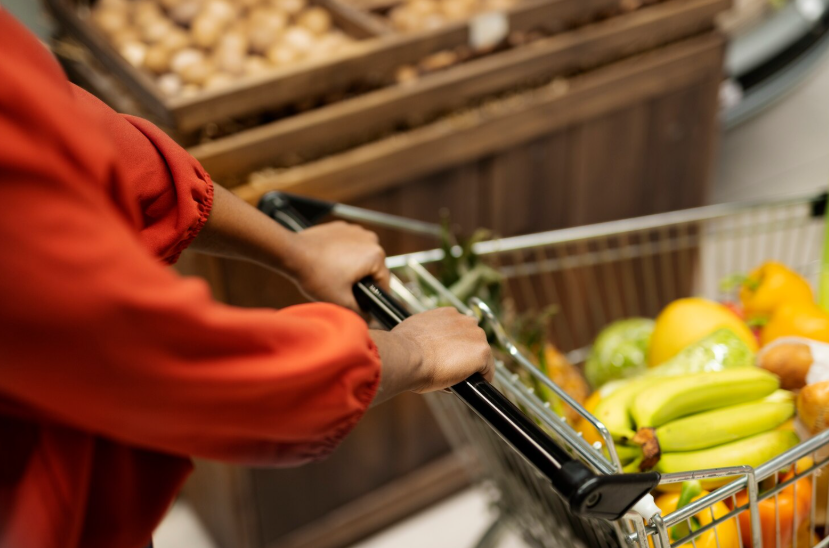
By intentionally following a three-zone path, produce, proteins, and pantry staples, you build a cheaper, healthier cart without sacrificing meals or variety.
Most shoppers walk into the grocery store with good intentions but leave with a higher bill than expected. The problem isn’t willpower—it’s layout psychology. Stores are designed to encourage impulsive buys. The Grocery Store Triangle shows you how to save on groceries weekly by flipping this dynamic.
Start with Produce to Set the Foundation
The first point of the Grocery Store Triangle is fresh produce. Beginning here anchors your cart with low-cost, high-volume foods that support multiple meals. When shoppers start in the snack or bakery aisle, they often fill their cart with higher-priced items before buying essentials. Produce reverses that pattern by stocking your base ingredients first.
Focus on versatile items: onions, carrots, potatoes, leafy greens, peppers, apples, bananas, and whatever seasonal produce is discounted. These staples stretch across soups, stir-fries, salads, and side dishes. Shopping produce early also helps reduce impulse spending because your cart already looks full and purpose-driven, making you less susceptible to marketing cues later in the store.
Bagged produce and pre-cut items are convenient but usually far more expensive. Whole fruits and vegetables cost significantly less, keep longer, and provide more flexibility in meal planning. When possible, choose produce sold by the pound rather than packaged bundles—you pay only for what you need.
See Everyday Items You’re Probably Overpaying For (And What to Buy Instead) for simple swaps to trim grocery bills.
Move to Proteins to Lock In the Week’s Main Meals
The second point of the triangle is proteins, one of the most expensive grocery categories. Approaching proteins after produce helps you budget more effectively because you can plan meals around what you already have rather than defaulting to the priciest cuts.
Look for weekly sales and compare unit prices across options. Chicken thighs often cost less than breasts, canned fish offers excellent nutrition at a fraction of the price, and plant-based proteins like beans or lentils stretch your budget even further. Buying family packs and dividing them into freezer portions can dramatically reduce per-meal costs.
Pre-marinated meats and individually wrapped convenience packs carry steep markups. Sticking with basic cuts lets you season and prepare meals your way without paying for unnecessary processing. This section of the triangle ensures your cart includes the primary components for satisfying, home-cooked meals without overspending.
To stretch pantry ingredients, check out Meal Prep Lite: Saving Money Without the Sunday Marathon.
Finish with Pantry Staples to Complete the Triangle
The third point of the Grocery Store Triangle is the pantry section. This includes shelf-stable items like rice, pasta, canned vegetables, spices, flour, and baking supplies. Pantry staples are inexpensive building blocks that help you create complete meals from the produce and proteins already in your cart.
Store-brand staples nearly always offer the best value. Because these products have minimal ingredient variation between brands, the savings come without sacrificing quality. Comparing unit prices is essential in this zone. Larger packaging isn’t always cheaper, and certain brands rely on packaging tricks to make prices appear lower than they are.
Avoid shopping the center aisles aimlessly. Instead, enter only the aisles that contain the staples you need. This reduces the temptation to grab items like snack foods, specialty sauces, or novelty treats that inflate grocery bills without contributing to full meals. Pantry shopping last ensures you buy only what supports the ingredients already in your cart.
Check out The 10-Item Pantry Reset That Cuts Grocery Costs All Month for more insights on weekly meal planning.
Why the Triangle Method Cuts Spending Naturally
The Grocery Store Triangle works because it replaces reactive shopping with structured decision-making. By starting with versatile, low-cost ingredients, you create guardrails that help you avoid overspending. You build meal components efficiently, reduce waste, and prevent last-minute choices influenced by marketing or mood.
This method also streamlines meal planning. With a balanced foundation of fresh produce, strategic proteins, and core pantry staples, you can assemble multiple meals throughout the week without returning to the store, saving both time and money. Shoppers who follow the triangle often report saving $20–$40 per trip simply by eliminating impulse buys and focusing on what they actually need.
Creating a cheaper cart doesn’t require cutting meals; it requires building them smarter.