
Improving your home’s energy efficiency doesn’t have to involve expensive upgrades or professional contractors. With just a few hours and some simple, low-cost tools, you can make your home more energy-efficient, reduce drafts, cut wasted electricity, and improve comfort year-round.
These fast, high-impact steps work because they target the most significant sources of everyday energy loss, such as air leaks, inefficient lighting, and appliances that quietly drain power when not in use. By tackling these areas in a single afternoon, you’ll start seeing lower utility bills immediately.
Seal Drafts and Air Leaks Around Doors and Windows
Air leaks are one of the most common, overlooked sources of wasted energy. Even a small draft can force your heating or cooling system to work harder than necessary. Thankfully, sealing leaks is inexpensive and straightforward.
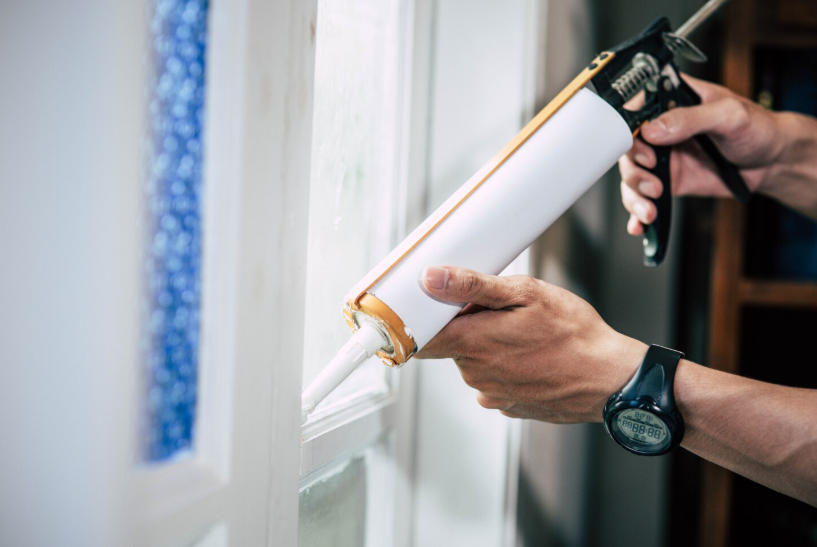
Start by checking for drafts around windows, exterior doors, and baseboards. If you feel calm or warm air moving, apply weatherstripping or foam tape; both are inexpensive and take minutes to install. For larger gaps, use removable caulk or rope caulking that fills cracks without requiring specialized tools.
Adding a door sweep to the bottom of exterior doors helps block drafts from entering at floor level. This minor upgrade can noticeably stabilize indoor temperatures, especially in older homes. Focus on sealing areas in high-traffic rooms first, then move to less-used spaces like guest rooms or hallways.
These quick fixes improve comfort and reduce the strain on your HVAC system, lowering energy costs immediately.
To fix energy leaks early, explore Small Repairs You Can Learn to Avoid Big Service Calls.
Switch to Efficient Lighting and Smart Bulb Settings
Lighting accounts for a surprisingly large portion of energy use, especially if your home still relies on older bulbs. Swapping them for LED bulbs is one of the fastest and most cost-effective steps you can take. LED bulbs use up to 75% less energy and last significantly longer, reducing both electricity and replacement costs.
Take a quick walk through your home and replace bulbs in high-use areas first, such as the kitchen, living room, bathroom, and entryway. If you already use LEDs, adjust their settings. Warm-toned bulbs create a cozy atmosphere while using less energy than bright, cool-toned ones.
If you have smart bulbs, set automated schedules or dimming routines to reduce unnecessary usage. Lowering brightness by even 10% can extend bulb life and trim energy costs. Motion-sensor night lights or closet lights are another easy upgrade that ensures lights stay on only as long as needed.
See Affordable Tech That Actually Makes Life Cheaper to control energy use with low-cost tech.
Reduce Phantom Load by Controlling Hidden Energy Use
Many electronics draw power even when turned off, a phenomenon known as phantom load. Over time, this standby power drains energy and quietly raises your monthly bill. Fortunately, addressing phantom load is fast and easy.
Unplug rarely used devices like printers, countertop appliances, or gaming systems. For items you use daily, plug them into a smart power strip. These strips automatically cut power to idle devices while keeping active ones running.
Focus on the biggest offenders: entertainment systems, chargers, microwaves, and office equipment. Even small changes, such as unplugging a charger that isn’t connected to a device, can reduce wasted electricity.
Smart plugs offer additional control. With a tap on your phone, you can turn off lamps, fans, or appliances that don’t need power throughout the day. This slight shift adds up to meaningful monthly savings.
For more energy-saving tips, check out Tiny Tweaks That Cut Utility Bills Without Feeling the Difference.
Optimize Your HVAC and Appliance Efficiency
Your HVAC system and large appliances work best when they’re clean and unobstructed. Start by replacing or cleaning HVAC filters. A dirty filter forces your system to push harder, using more energy and reducing airflow. Fresh filters instantly improve both comfort and efficiency.
Check vents to ensure they aren’t blocked by furniture or dust buildup. Redirect airflow where needed to maintain even temperatures throughout your home.
For refrigerators, vacuuming the condenser coils once or twice a year can significantly reduce energy use. Keep the freezer and fridge reasonably full. Cold items help maintain stable temperatures more efficiently.
Running full loads of laundry and dishes, using cold water when possible, and air-drying clothes or dishes also cut energy usage without adding extra work to your routine.
These small steps require only minutes but create long-lasting efficiency improvements.
Read Organizing Systems That Save You Both Time and Money to streamline storage and airflow.
A Few Hours Today Creates Savings Every Month
Making your home more energy-efficient doesn’t require complicated projects or expensive upgrades. By sealing drafts, improving lighting, reducing phantom load, and optimizing appliances, you lower costs while making your home more comfortable. The best part: you can complete all these tasks in one afternoon.
Small changes compound over time. With a few inexpensive tools and a short burst of effort, you can create a home that uses less energy and saves you money month after month.