
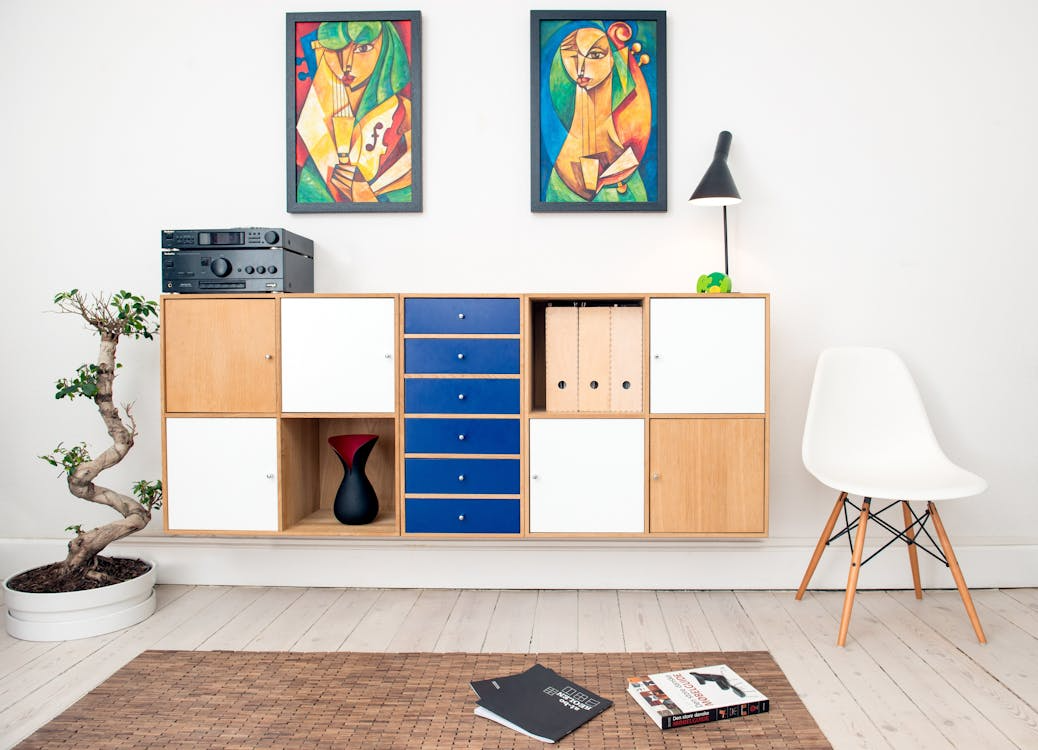
Living in a small space doesn’t mean sacrificing comfort or functionality. With smart, affordable ideas, tiny home storage solutions can make your space feel larger, tidier, and far more efficient.
The proper storage solutions can make your home feel larger, more organized, and far more efficient, without spending a fortune on custom shelving or built-in systems. Tiny homes, studio apartments, and compact rooms require more innovative use of every inch.
Think Vertical to Maximize Every Inch of Space
One of the easiest ways to expand storage in a small home is to use vertical space. Walls are often underutilized, yet they can hold shelves, hooks, rods, or lightweight cabinets that keep items off the floor and within reach.
Start with floating shelves above desks, beds, or doorways. These add storage without taking up floor space and are perfect for books, decor, or baskets of small items. Over-the-door organizers offer another inexpensive vertical solution for shoes, cleaning supplies, toiletries, or snacks. The pockets are discreet, versatile, and fit nearly any room.
Hooks are your budget-friendly best friend. Install them for coats, bags, towels, or kitchen tools. Even a simple rail with S-hooks can transform empty wall space into a functional organization zone. Thinking upward instantly opens room in tight spaces.
See Organizing Systems That Save You Both Time and Money for simple, efficient habits.
Choose Multi-Functional Furniture That Works Harder
In a tiny home, every piece of furniture should serve more than one purpose. Fortunately, you don’t need expensive specialty pieces to achieve this. Affordable ottomans with hidden storage, coffee tables with shelves underneath, and simple cube organizers all work exceptionally well in compact spaces.
Bed risers create instant storage room for bins or drawers under the bed. If you have a loft bed or high platform, consider adding a small desk or dresser beneath to turn unused space into a productive area.
In living areas, a slim console table behind the couch can store baskets, remotes, charging stations, and mail. Folding or stackable furniture, such as stools, nesting tables, or wall-mounted drop-leaf desks, helps maintain flexibility without clutter.
These wise, low-cost furniture choices give you functionality without overcrowding your space.
Check Budget-Friendly Home Upgrades That Look More Expensive Than They Are for low-cost pieces
Use Bins, Baskets, and Dividers to Control Clutter
Small homes get messy quickly because items don’t have designated places. Containers solve this instantly. Bins and baskets create structure inside cabinets, closets, and open shelves, keeping like-items together and preventing visual clutter.
In the kitchen, use baskets to create zones for snacks, spices, baking supplies, or cleaning products. In the bathroom, clear containers keep toiletries visible so nothing gets lost in the back of the cabinet. Drawer dividers help organize utensils, office supplies, or clothing, especially in small dressers where items easily get jumbled.
Matching containers don’t have to be expensive; dollar-store options work incredibly well. The key is consistency, not cost. When storage looks cohesive, even tiny homes feel tidy and intentional.
For simple tools that support organizing, explore Affordable Tech That Actually Makes Life Cheaper.
Borrow Space from Unexpected Areas
In small homes, hidden storage opportunities exist where you least expect them. The back of cabinet doors can hold cutting boards, pot lids, oven mitts, or cleaning supplies using cheap adhesive hooks or racks. The space above your washer and dryer can support a shelf or tension rod for laundry items.
Even the inside of deep shelves can be doubled with inexpensive wire risers, creating layers for plates, bowls, pantry items, or cosmetics. Under-sink areas become far more functional with stacking drawers or tiered organizers.
Large suitcases, which often serve as dead space, can store out-of-season clothing, blankets, or holiday items. Empty corners can hold slim carts, ladder-style shelves, or wall-mounted corner racks that make use of tight spaces.
The goal is to rethink every area. If a space isn’t performing a job yet, it can be given one.
Explore Small Repairs You Can Learn to Avoid Big Service Calls for fixes that protect storage solutions.
Edit Regularly to Keep Your Small Space Feeling Big
Smart storage only works when paired with mindful editing. Tiny homes require occasional decluttering to prevent buildup. A five-minute daily tidy or a weekly “reset basket” helps return items to their homes and keep surfaces clear.
Adopt a “one in, one out” rule to prevent storage overflow. When you bring something new into your home, such as clothing, gadgets, or kitchen tools, remove something you no longer use. This keeps your system balanced and functional without adding pressure.
With the right tools and a few strategic habits, even the smallest homes can feel spacious and serene.